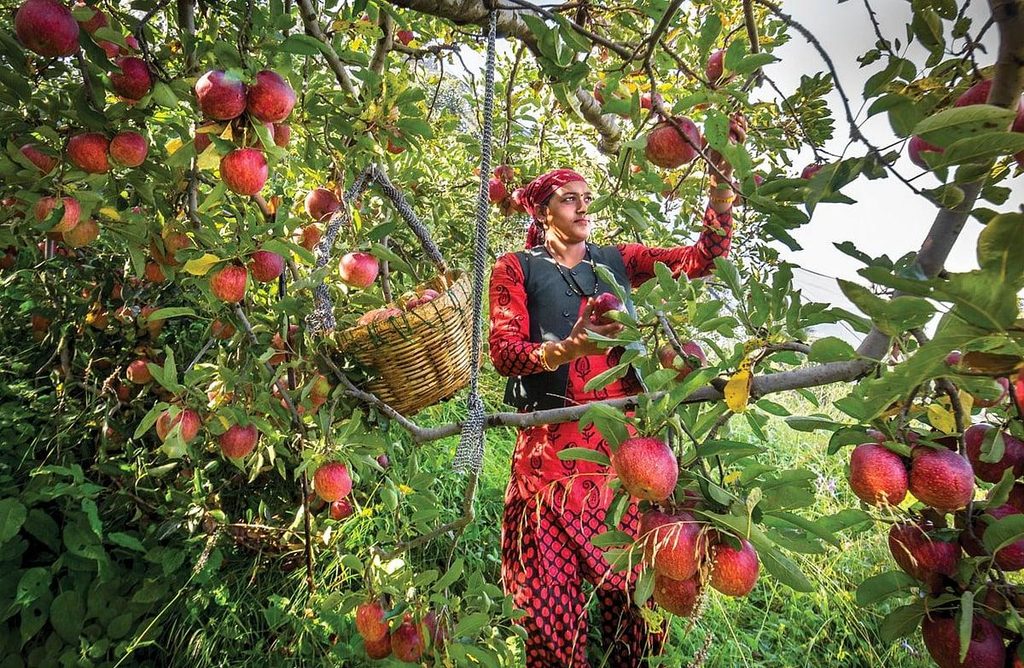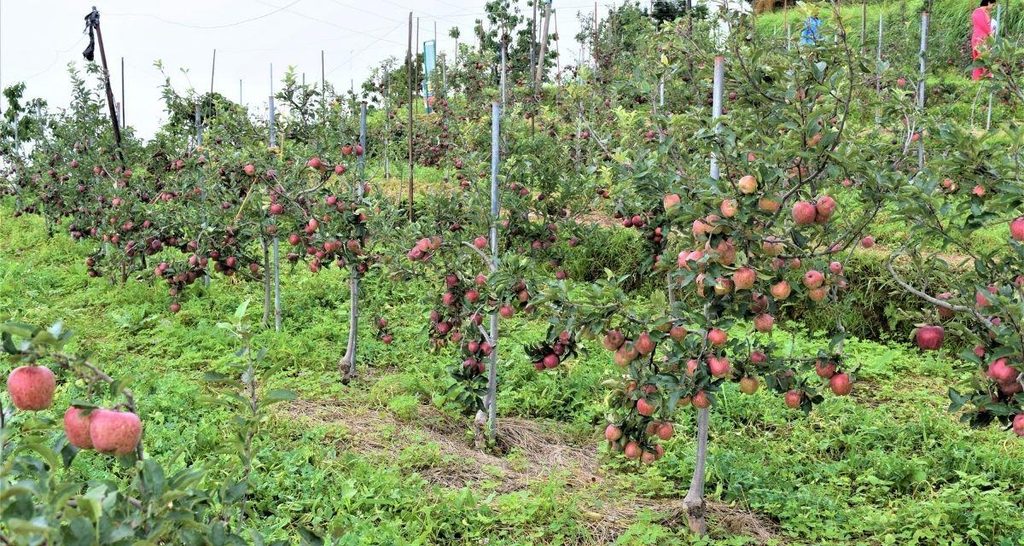
Growing apples through organic methods requires careful attention to the orchard from the beginning of the season until the fruit is collected. Farmers have to think about the condition of the ground, the health of the trees, insects, diseases, moisture, and the surrounding environment at the same time.
Rather than following a single farming technique, organic apple production combines several orchard practices. The purpose is to create a growing environment where apple trees can remain productive while the land continues to support future crops.
The Basics of Growing Apples Organically
Organic apple growing follows a production system in which farmers use farming materials and techniques allowed by the applicable organic rules. Requirements can vary depending on the certification program and country.
The process starts well before apples appear on the trees. Choosing an appropriate location, preparing the orchard, maintaining the ground, and selecting suitable varieties can all influence the final crop.
Organic cultivation also requires farmers to observe their orchards frequently. Small changes in leaves, branches, flowers, or fruit can provide useful information about possible problems.
Preparing the Orchard for Apple Trees
Choosing the Right Growing Location
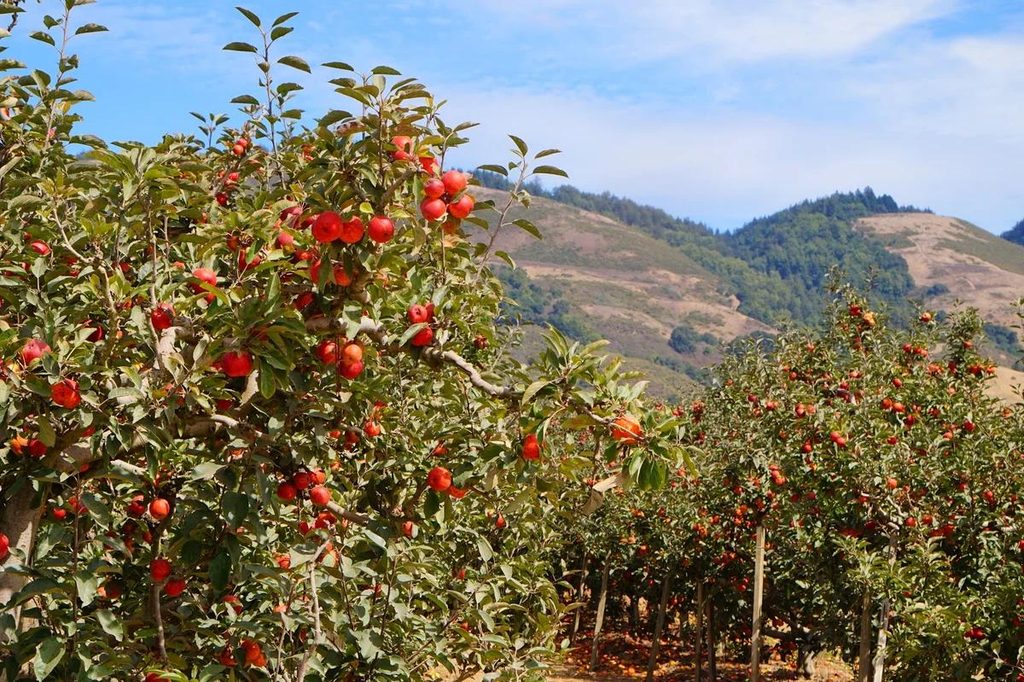
Apple trees perform differently depending on climate, soil, elevation, sunlight, and water availability. Selecting a location that suits the chosen apple variety can make orchard management easier.
Good air movement through the orchard is also useful because excessive moisture around plants can create favorable conditions for some diseases.
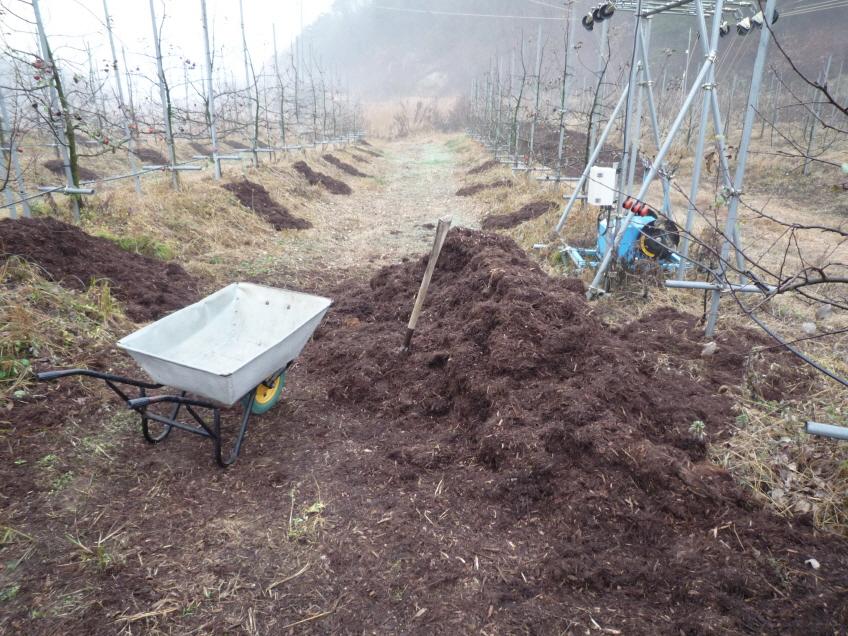
Taking Care of the Ground
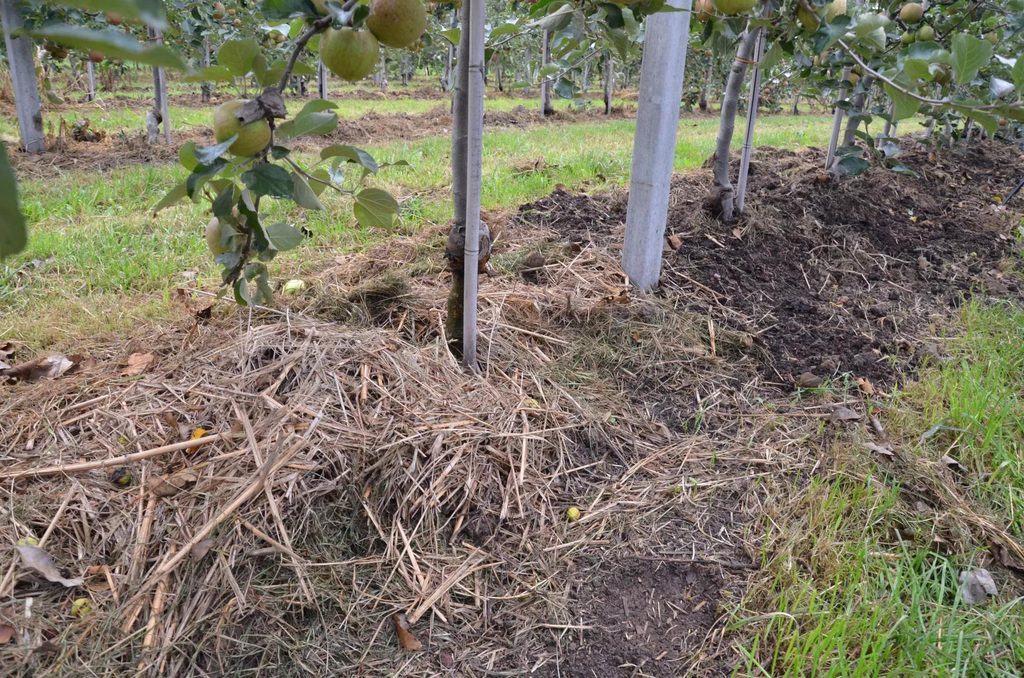
The area surrounding apple trees should be managed throughout the growing season. Organic growers may use compost, suitable plant material, mulch, or cover vegetation as part of their soil-care strategy.
The aim is to keep the ground productive rather than continuously removing nutrients without replacing them.
A well-managed orchard floor can also provide habitat for small organisms and help protect the soil from erosion.
Keeping Apple Trees Strong
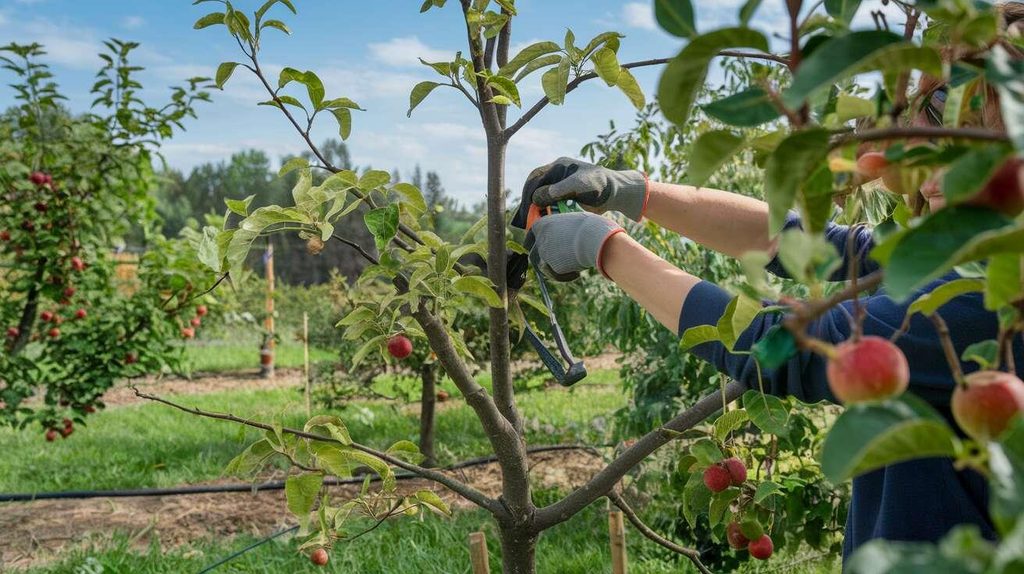
Healthy trees are generally better prepared to deal with environmental pressure. Regular pruning can help maintain the shape of the tree and improve the distribution of sunlight and air within the canopy.
Farmers also need to watch for damaged branches, unusual leaf changes, weak growth, and other signs that a tree may require attention.
Tree management should be based on the actual condition of the orchard rather than applying the same treatment everywhere.
Managing Insects Without Relying on One Solution
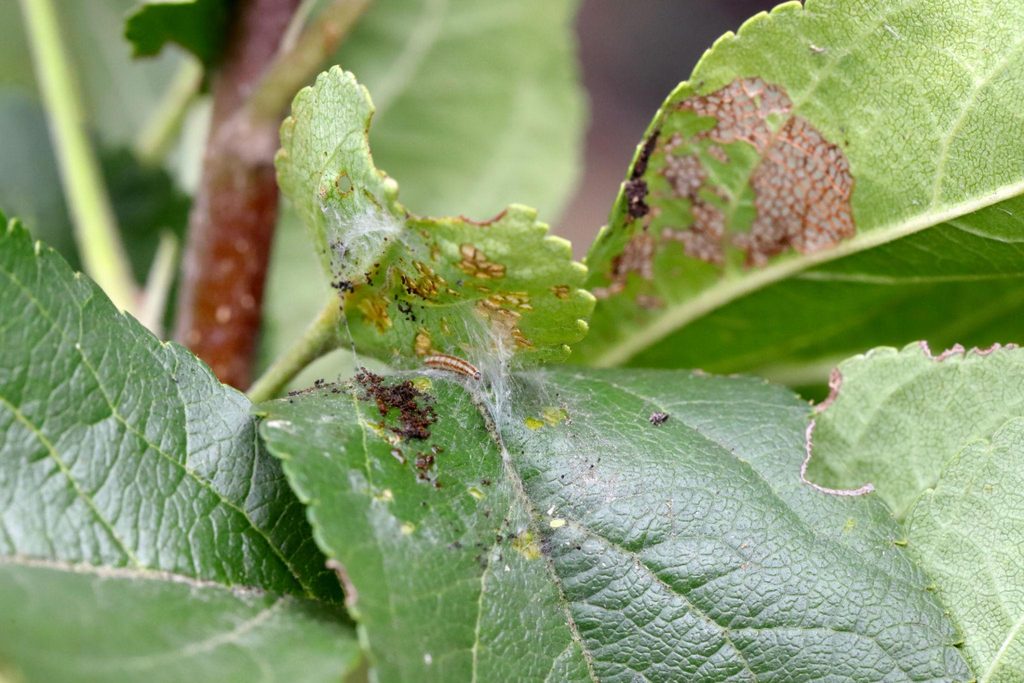
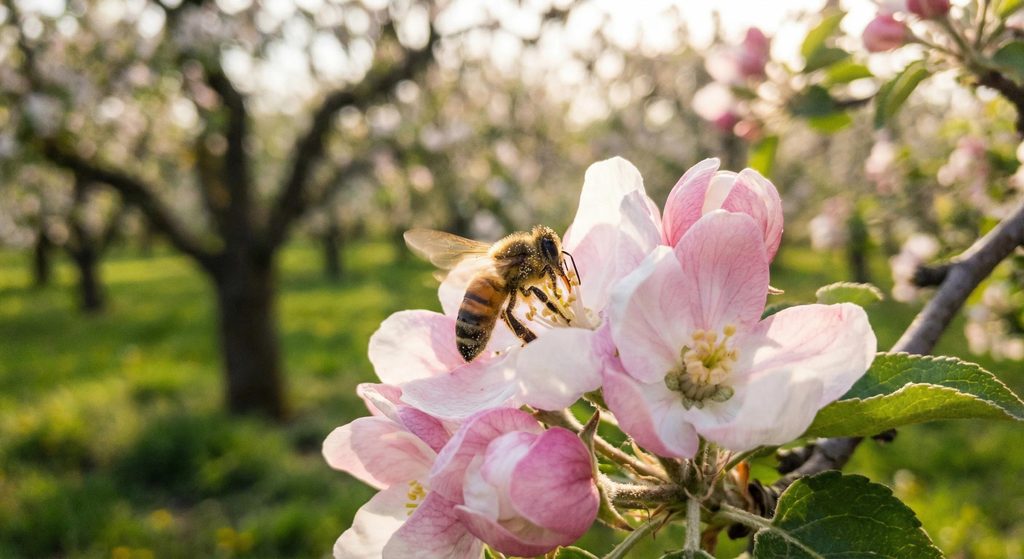
Insects are a normal part of an orchard ecosystem. Some can damage apples, while others may help farmers by feeding on unwanted pests or supporting pollination.
For this reason, organic growers can benefit from identifying insects before deciding how to respond.
Orchard Observation
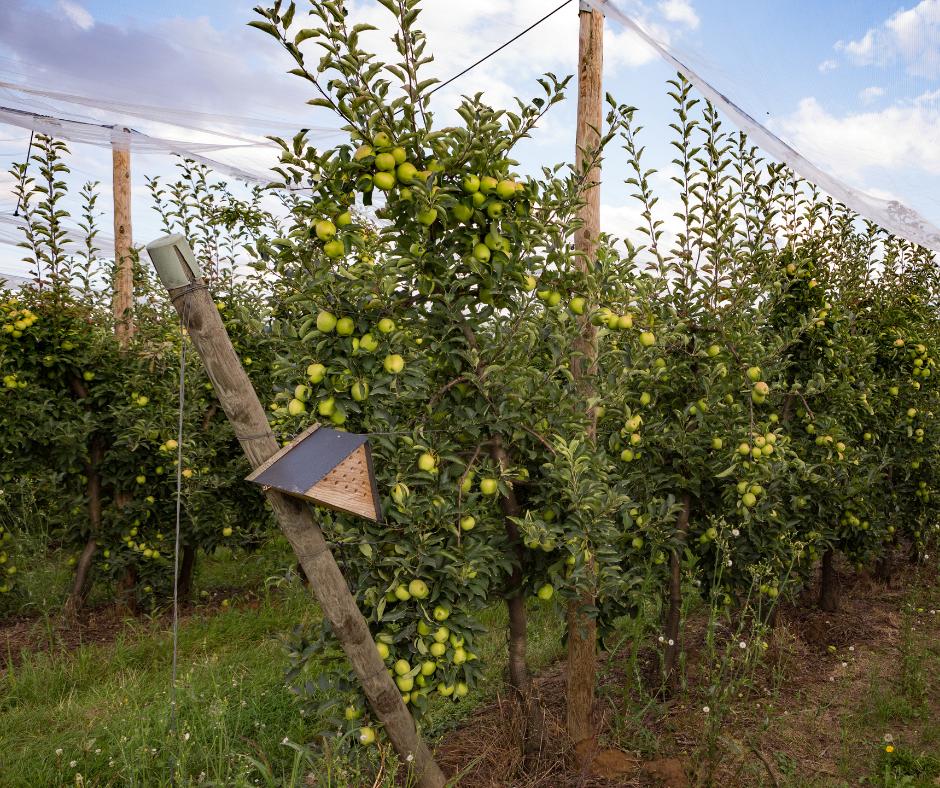
Farmers can inspect leaves, shoots, flowers, and fruit regularly. Traps and other monitoring techniques may also help determine whether a particular insect is becoming a serious problem.
Early detection gives growers more time to choose an appropriate management method.
Encouraging Helpful Insects
A diverse orchard environment can provide food and shelter for useful insects. Vegetation around suitable parts of an orchard may help create such habitat.
Reducing unnecessary disturbance can also support a wider range of organisms within the farming environment.
Using Permitted Treatments
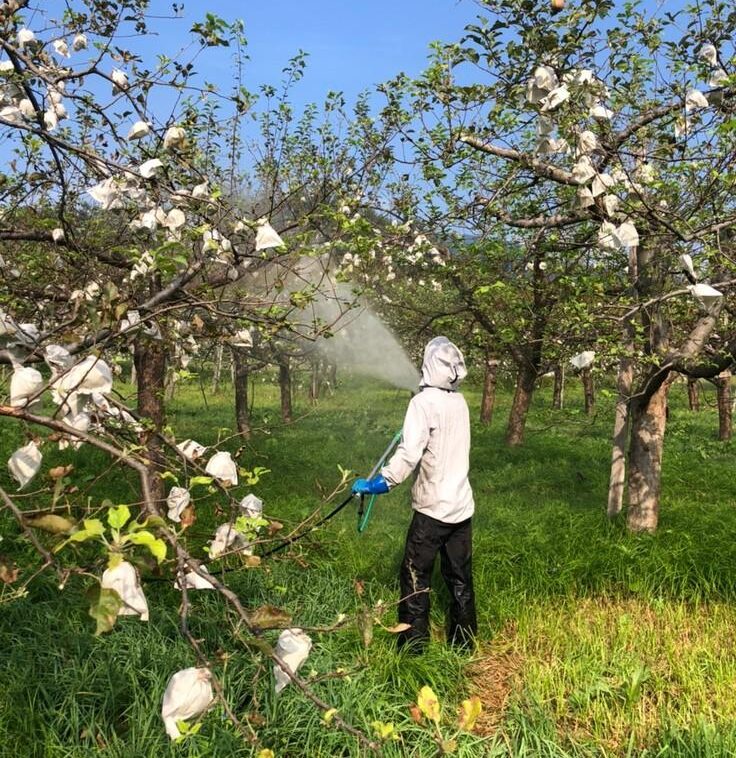
Sometimes monitoring shows that additional control is necessary. Organic certification systems allow certain products and treatments under defined conditions.
Therefore, organic apple cultivation should not be described simply as farming with absolutely no crop-protection products. Instead, growers must follow the rules governing which materials can be used and how they are applied.
Managing Apple Diseases
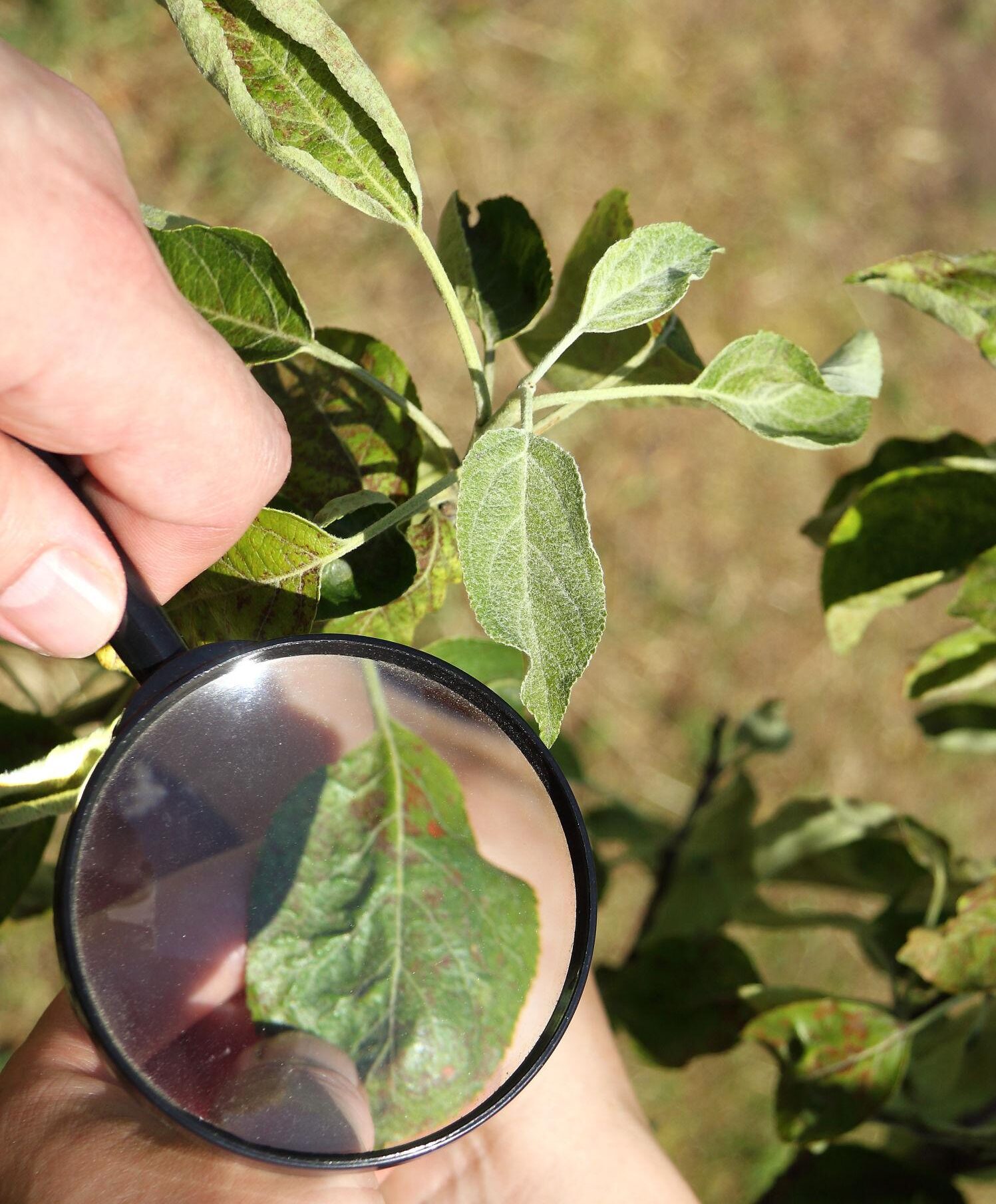
Disease prevention is another important part of orchard management. Weather conditions can strongly influence the development and spread of some apple diseases.
Farmers can reduce potential problems by maintaining suitable tree spacing, pruning appropriately, removing affected plant material when recommended, and keeping the orchard clean.
Weather observations can also help growers recognize periods when disease pressure may increase.
Water Management in an Apple Orchard
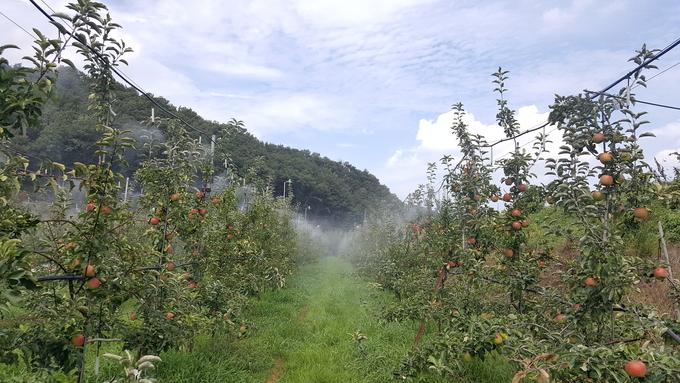
Apple trees require water at different stages of their development. However, providing more water than the trees need is not an effective use of resources.
Irrigation decisions can be based on soil moisture, recent rainfall, temperature, tree age, and the stage of fruit development.
Using water carefully can help reduce waste while maintaining suitable growing conditions for the trees.
Why Soil Care Matters in Organic Orchards
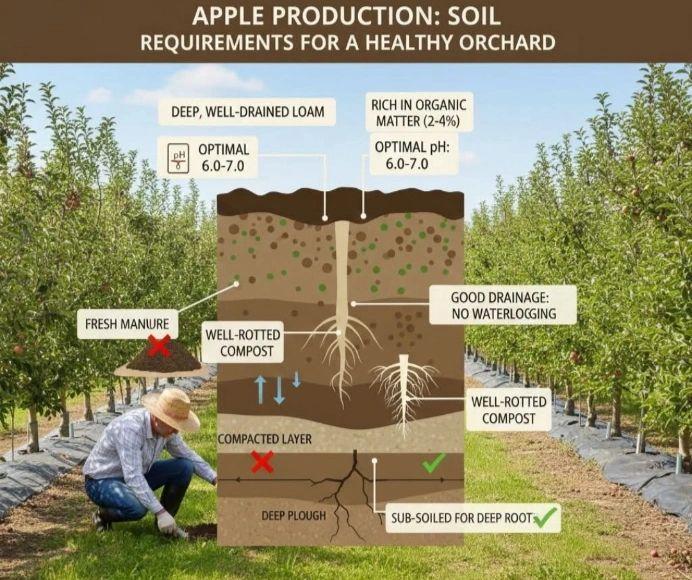
Soil is one of the most important resources on a farm. It supplies nutrients, stores water, and supports a large community of microorganisms.
Organic orchard management therefore gives considerable attention to maintaining productive soil. Adding suitable organic matter, protecting the surface from erosion, and maintaining vegetation where appropriate can all contribute to long-term soil management.
Healthy soil does not guarantee a successful harvest by itself, but it provides an important foundation for the orchard.
Advantages of Organic Apple Production
Organic apple cultivation can have several potential advantages when it is managed properly.
One important feature is the attention given to long-term land management. Farmers are encouraged to consider how their decisions affect soil, water, organisms, and future production.
Another advantage is the opportunity to create a more diverse orchard environment. Different plants and beneficial organisms can become part of the farming system.
Organic production can also meet the needs of consumers who specifically look for certified organic food.
However, organic farming is not automatically easier or more productive. Pest pressure, disease management, labor requirements, weather, and production costs can create significant challenges for growers.
Challenges Farmers May Face
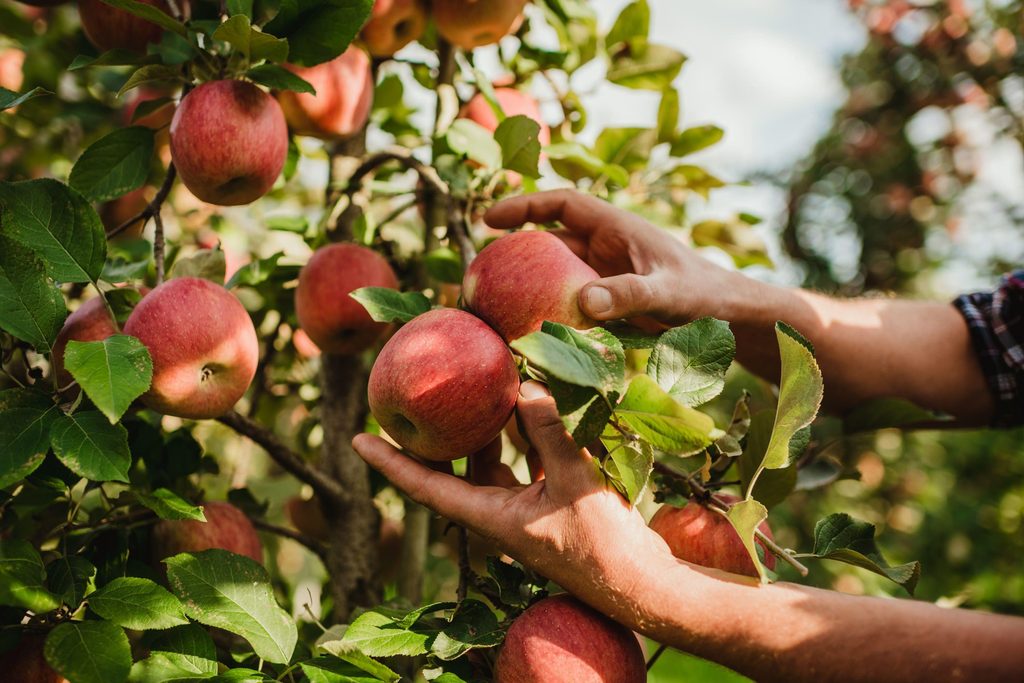
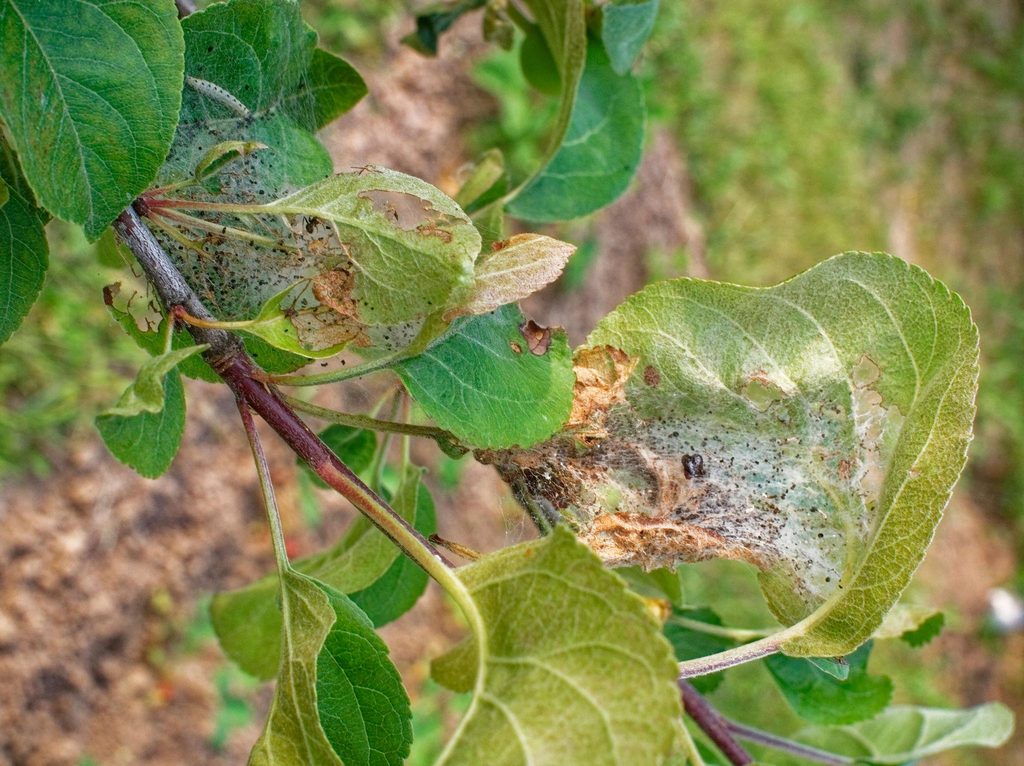
Producing apples organically can require considerable planning. Some pests and diseases are difficult to control, particularly when weather conditions favor their development.
Farmers may also need to spend more time monitoring trees and maintaining the orchard. Certification requirements require accurate records and careful attention to permitted inputs and production procedures.
Crop performance can differ from one region to another. Soil, climate, apple variety, orchard design, and management experience all influence the outcome.
Steps Toward a More Sustainable Apple Orchard
Farmers can make their orchards more resource-conscious by combining several practical measures:
Choose varieties suited to the local environment.
Maintain productive soil throughout the year.
Use organic matter appropriately.
Observe trees frequently during the growing season.
Identify insects before choosing a control method.
Protect pollinators and useful organisms.
Avoid unnecessary irrigation.
Maintain suitable orchard hygiene.
Keep proper records of farming activities.
Follow the organic standards required for certification.
Using several small improvements together can make orchard management more efficient and resilient.
Technology and the Future of Organic Apple Growing
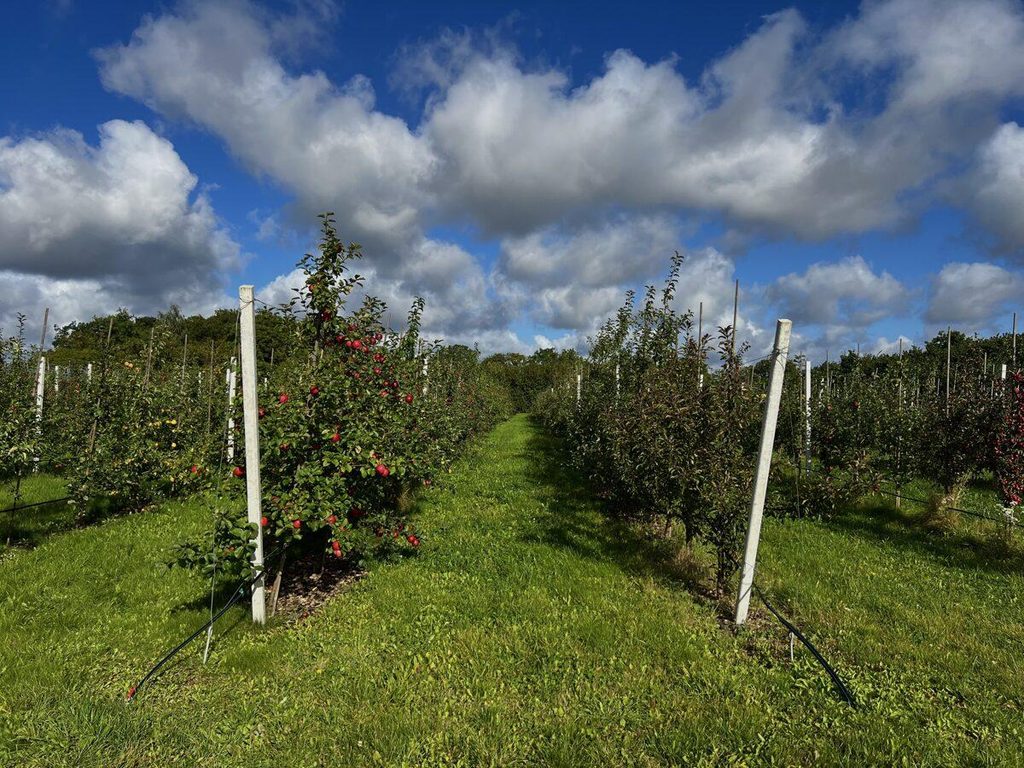
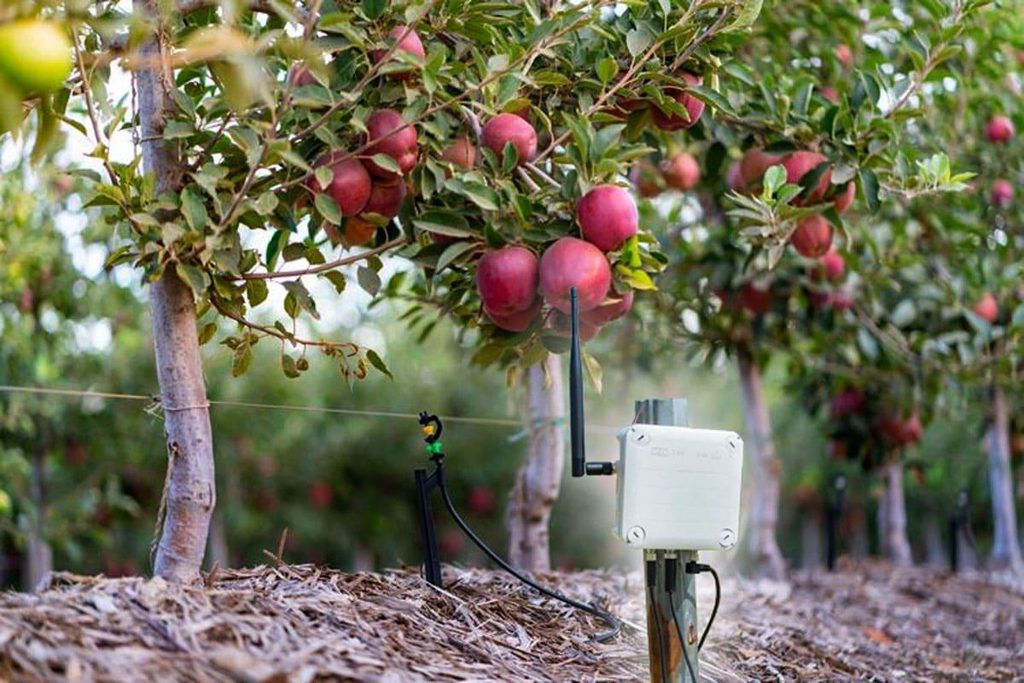
Modern tools can also assist organic growers. Weather stations, soil-moisture sensors, orchard monitoring systems, and digital farm records can provide useful information for making better decisions.
Technology does not replace agricultural knowledge, but it can help farmers understand what is happening in the orchard and respond more accurately.
As consumers continue to show interest in how food is produced, transparent and responsible farming practices may become increasingly important for apple growers.
When Apples Are Ready to Leave the Tree
Harvesting is an important stage in the apple-growing cycle. Apples should be collected when they have reached the maturity level suitable for their variety and intended use. Picking too early can affect fruit size and flavor, while waiting too long may increase the risk of fruit dropping or damage.
Farmers can look at several signs before harvesting, including fruit color, firmness, size, and the normal maturity period of the variety. Careful handling is also important because bruised or damaged apples may have a shorter storage life.
Harvesting also needs proper planning because apples in the same orchard may not all mature at exactly the same time. Farmers can check different sections of the orchard and pick fruit according to its condition instead of removing the entire crop at once.
Sorting and Storing the Harvest
After harvesting, apples can be sorted according to their size, appearance, and condition. Damaged fruit can be separated from healthy fruit so that problems do not spread during storage.
Storage conditions also affect the quality of apples after they leave the orchard. Temperature, humidity, ventilation, and cleanliness should be considered when storing the crop for a longer period.
For an Organic Apple grower, keeping records of harvesting and handling practices can also help maintain proper farm documentation. Good records can make it easier to understand how much fruit was produced and how much was sold, stored, or sent for processing.
Packing Apples for Transport
Proper packing can help protect apples while they are being moved from the orchard to another location. Fruit should be handled carefully during packing because rough movement can cause small injuries that may become more noticeable later.
Packaging methods can vary depending on the distance, storage period, and final market. Farmers may use suitable boxes, trays, or other approved packaging materials to keep the fruit protected.
Clean packing areas are also important. Keeping harvested apples away from damaged fruit, dirty surfaces, and unnecessary moisture can help maintain their quality during handling.
Supporting Pollination in the Orchard
Good pollination is important for apple production. Many apple varieties depend on pollinating insects to transfer pollen between flowers. The presence of suitable flowering plants and a healthy orchard environment can support these insects.
Farmers can consider the timing of flowering when selecting varieties for an orchard. Having compatible varieties that flower at suitable times may improve the chances of successful pollination.
Avoiding unnecessary disturbance around flowering periods can also help protect pollinating insects. Observing insect activity during flowering can give farmers useful information about the condition of the orchard ecosystem.
Selecting Apple Varieties for the Farm
Not every apple variety performs equally well in every location. Farmers can consider local climate, winter conditions, soil characteristics, available water, and the intended market before selecting trees.
Some varieties may be preferred for fresh consumption, while others can be suitable for processing or storage. Choosing varieties according to the farm’s conditions can make orchard management more practical.
For Organic Apple production, variety selection should be considered as part of the overall orchard plan rather than as a separate decision.
Farmers can also consider how much space is available, how the trees will be managed, and whether the expected harvest period fits with available labor. Making these decisions before planting can prevent management problems later.
Maintaining Records for Organic Production
Record keeping is an important part of organized farming. Farmers may need to document activities such as planting, pruning, irrigation, pest monitoring, harvesting, and the materials used in the orchard.
These records can help growers understand what happened during a growing season and identify areas that could be improved in the future.
Where organic certification is involved, farmers also need to follow the documentation and record-keeping requirements of the relevant certification system.
Keeping simple records can also help farmers compare different seasons. Information about weather, crop quantity, pest activity, and orchard work can be useful when preparing for the following year.
Managing Labor During the Growing Season
Apple orchards require regular work at different times of the year. Pruning, ground maintenance, monitoring, harvesting, sorting, and packing can all require additional labor.
Planning these activities in advance can help farmers avoid delays during important periods. Harvesting in particular may require enough workers to collect fruit carefully within the suitable maturity window.
The amount of labor required can differ depending on orchard size, tree variety, farming methods, and the amount of manual work involved.
Reducing Waste After Harvest
Some apples may not meet the appearance or size requirements of the fresh market even though they remain suitable for other uses. Depending on their condition, they may be used for processing, cooking, juice, or other food products.
Using more of the harvested crop can reduce unnecessary waste and provide additional value to farmers.
Farmers can also reduce waste by handling fruit carefully from the moment it is picked. Small improvements in harvesting, sorting, storage, and transportation can help prevent avoidable losses.
Organic apple farming therefore does not end when the fruit is removed from the tree. Handling, sorting, storage, and responsible use of the harvest are also part of managing the crop.
Understanding Seasonal Changes
Apple orchards change throughout the year, and each season brings different management needs. Winter may involve pruning and planning, while spring brings flowering and pollination. Summer often requires closer attention to tree growth, water, insects, and diseases.
As the harvest period approaches, farmers need to focus more on fruit development, maturity, picking, and post-harvest handling.
Understanding these seasonal changes allows growers to prepare their work before a problem becomes difficult to manage. A simple yearly plan can help organize orchard activities and available resources.
Selling Apples and Understanding the Market
The final value of an apple crop can depend on several factors, including fruit quality, variety, appearance, storage condition, and market demand.
Farmers may sell apples directly, through local markets, wholesalers, retailers, or other channels depending on their location and production scale.
Understanding what buyers are looking for can help farmers make better decisions about varieties, grading, packaging, and harvest timing. However, market conditions can change from one season to another, so growers need to remain flexible.
Building a Long-Term Orchard Plan
An orchard can remain productive for many years, so decisions should be made with both the current season and future seasons in mind.
Farmers can review soil conditions, tree growth, pest activity, water use, harvest results, and other observations at the end of each season. This information can help them plan changes for the next growing period.
A practical long-term approach can make Organic Apple production more organized and adaptable to changing weather, market conditions, and orchard needs.
Long-term planning can also include replacing weak trees, improving orchard layout, maintaining equipment, and preparing for future changes in production. Small improvements made over several seasons can have a useful effect on overall orchard management.
Learning From Each Growing Season
Every growing season can provide new information to the farmer. Weather may behave differently, pest activity can change, and some varieties may perform differently than expected.
Instead of looking at one season in isolation, farmers can compare their observations over several years. This can help them understand recurring problems and identify practices that work well under their local conditions.
Keeping clear notes and reviewing them after harvest can turn everyday orchard observations into useful information for future planning.
Final Thoughts on Organic Apple Farming
Organic apple farming is a complete orchard-management approach rather than simply a method of avoiding conventional agricultural products. It involves decisions about soil, trees, insects, diseases, water, biodiversity, harvesting, storage, and farm resources.
The work continues even after apples are picked. Sorting, packing, transportation, storage, record keeping, and responsible use of the harvest can all influence the final quality and value of the crop.
When these areas are managed together, farmers can work toward productive orchards while giving greater attention to the long-term condition of their land. The exact methods used should always depend on local conditions, the apple variety, and the requirements of the applicable organic standards.
With careful observation and regular planning, growers can make informed changes from one season to the next. This makes organic apple production an ongoing process where farming decisions are adjusted according to the needs of the orchard and the conditions of each growing season.